MirrorFly Launches Self-Hosted Video Conferencing Software for Enterprise
Published: Thursday, August 27, 2026
MirrorFly has launched self hosted video conferencing software for enterprises, giving organizations greater control over their meeting infrastructure, data, security, and deployment with on premises, private cloud, hybrid and cloud options.
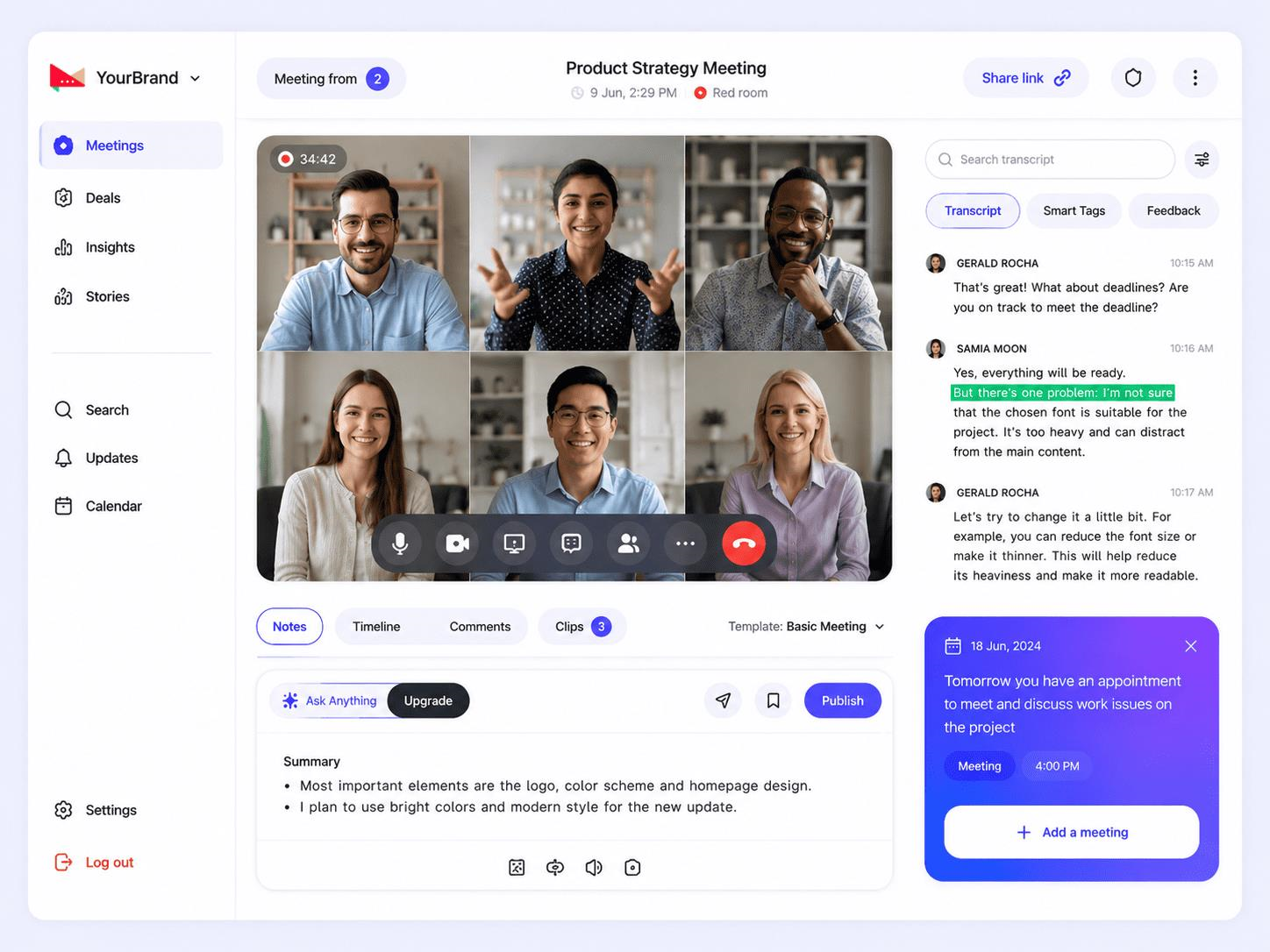
MirrorFly has launched self hosted video conferencing software designed for enterprises that want greater control over meeting infrastructure and data. The platform supports on premises, private cloud, hybrid and cloud deployment options, along with white label customization, HD video and audio, screen sharing, breakout rooms, recording, APIs and SDKs.
MirrorFly has launched self hosted video conferencing software designed for enterprises that want greater control over meeting infrastructure and data. The platform supports on premises, private cloud, hybrid and cloud deployment options, along with white label customization, HD video and audio, screen sharing, breakout rooms, recording, APIs and SDKs.
MirrorFly, a global leader in CPaaS solutions provider has now launched a self-hosted video conferencing software for enterprises that want direct control of their meeting infrastructure instead of using third-party cloud servers. With this new solution, IT teams can conduct video meetings on-premises, in a private cloud or in a hybrid setup depending on compliance and operation requirements.
The launch coincides with a trend in enterprise IT that is already shifting. As video meetings have become the norm for distributed teams to work, organizations are asking a pointed question of where the data lives and who controls it?
All this is driving demand for enterprise video conferencing solutions that are more transparent and configurable than SaaS-only solutions.
Why Self-Hosted Video Conferencing Is Gaining Ground?
Cloud-only video conferencing tools are okay for everyday calls, but they send data through a vendor's shared infrastructure, and businesses have no real visibility into storage location, retention or access. And for industries like healthcare, finance and government it becomes a compliance issue.
In response to that, on-premises video conferencing solutions let businesses run the entire meeting infrastructure in environments that they directly manage. Real-world enterprises have adopted this model already.
In 2024, a large private-sector bank in India used a self-hosted video platform to connect 15,000 employees in 900 branches and said it had improved internal communication and control.
That kind of deployment demonstrates how self-hosted video conferencing is moving from the IT fringe to the enterprise mainstream.
What MirrorFly's Self-Hosted Video Conferencing Software Offers?
MirrorFly is built as a white-label video conferencing platform, so businesses can deploy it under their own brand rather than via some generic third-party interface.
With access to full source code, teams can customize the meeting experience from UI elements to features to workflow logic without being tied to vendor release cycles or limitations.
The platform includes multi-participant meeting rooms with HD video and audio, in-meeting chat, screen sharing, breakout rooms for smaller group discussions and meeting recording capabilities.
It also supports encrypted video conferencing software practices that encrypt meeting data where necessary for specific deployed and feature sets.
For those considering deployment models, MirrorFly allows businesses to choose between cloud, self-hosted, and on-premises video conferencing configurations as their needs change.
Built for Developers: Video Conferencing API and SDK
As well as ready-to-use meeting software, MirrorFly also provides a video conferencing API and SDK for businesses wanting to embed live video directly into their applications. This suits product teams building telehealth platforms, e-learning portals, customer KYC or customer service tools that want meeting functionality natively built-in instead of as a separate app.
Video conferencing API integration is meant to be simple, so engineers can add video capabilities to their Android, iOS and web applications without building the real time infrastructure from scratch.
For example, an android video conference API and an iOS video conferencing SDK are available for the major platforms that enterprise applications run on. Also, teams looking for a video conferencing API for website or mobile use cases can also use a web conference API that plugs into browser-based applications.
It is important to build your own integration path because generic, one-size-fits-all meeting tools rarely work for specific workflows. An easily customizable video conferencing setup allows a telehealth provider to add compliance-specific consultation flows or a logistics company to build dispatch-focused calling features that a standard, off-the-shelf app was never meant to support.
Meeting Enterprise Requirements at Scale
Video conferencing solutions for enterprises typically have a set of factors that enterprise buyers weigh consistently like data control, deployment flexibility, scalability and integration with existing systems. In line with those priorities, MirrorFly supports big deployments while leaving infrastructure decisions up to the organization and not a vendor.
This same technology underlies a self-hosted video streaming server model for businesses that want to hold large webinars, virtual events or broadcast-style sessions beyond team meetings. Having this flexibility places MirrorFly among the more nimble options for organizations looking for the best white label video conferencing software for their regulatory or operational needs rather than settling for a standard, generic package.
Availability
Enterprises looking for open source video conference alternatives can look into MirrorFly's self-hosted video conferencing software. Interested organizations can deploy, access video conferencing API documentation, and SDK integration guides directly from MirrorFly.